Everything About Membrane Switch: A Comprehensive Overview for Beginners
Membrane buttons are vital components in modern-day electronics, supplying a distinct interface for individual communication - membrane switch. Their split construction, consisting of overlays and conductive traces, offers capability and sturdiness. Unlike traditional mechanical buttons, membrane switches offer a smooth layout and adjustable options. Recognizing their vital attributes and advantages can transform item style. The details of their application and style factors to consider call for more exploration.
What Is a Membrane layer Switch over?
A membrane layer button is a type of electric button that includes a versatile membrane layer layered over a printed circuit card. This style enables a sleek and small user interface, frequently used in numerous digital devices. Membrane switches are frequently located in customer appliances, medical devices, and industrial equipment as a result of their durability and resistance to environmental factors.The construction usually consists of numerous layers, such as visuals overlays and glue support, which give responsive feedback and protect the circuitry underneath. The operation of a membrane switch is initiated when pressure is related to the surface area, finishing an electric circuit.These buttons are valued for their convenience, making it possible for custom designs and published graphics that accommodate details customer interfaces. Their inconspicuous nature minimizes area requirements, making them ideal for applications where conventional switches might not fit. Overall, membrane layer buttons use a aesthetic and useful remedy for modern-day electronic devices.
Key Elements of Membrane Switches
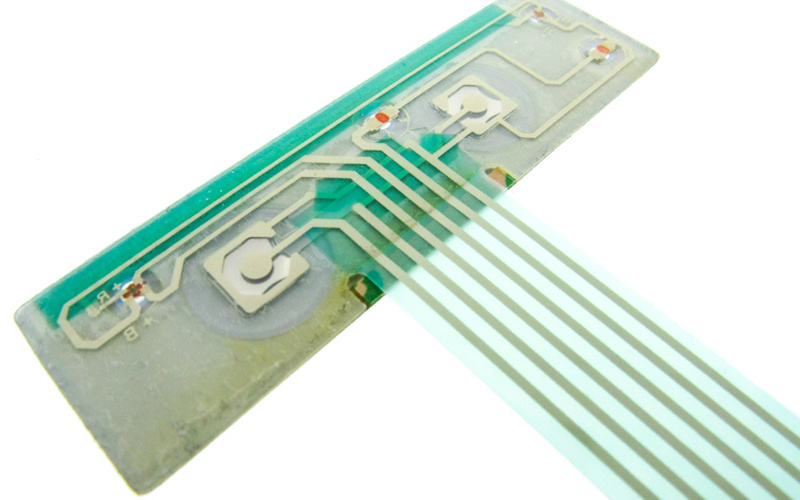
Membrane changes make up a number of essential parts that contribute to their performance and performance. The top layer, referred to as the overlay, supplies the interface and is frequently printed with graphics or icons. Below the overlay exists a spacer layer, which divides the conductive elements and protects against unintended activation. The next essential element is the graphic layer, which boosts appearances and ensures the sturdiness of the design.Conductive traces, typically made from products like silver or carbon, are printed on the circuit layer. When pressure is used to the overlay, these traces enter contact, finishing the circuit. Additionally, a support layer offers architectural support and can be made from products such as polyester or polycarbonate. Together, these elements develop a trustworthy, user-friendly user interface suitable for different applications, from house home appliances to commercial equipment. Recognizing these elements is necessary for any person thinking about membrane layer switch modern technology.
How Membrane Switches Over Work
Comprehending just how membrane switches feature is crucial for appreciating their extensive usage in various gadgets. A membrane layer button operates through a collection of layers, including a visuals overlay, spacer, and a circuit layer. When stress is related to the overlay, it presses the spacer layer, enabling the circuit layer to make call and finish an electrical circuit. This action sends out a signal to the device, triggering an action, such as activating a light or activating a function.Membrane changes can be created with numerous attributes, consisting of tactile feedback, backlighting, and customized graphics, improving customer communication. Their building and construction allows for a sealed design, safeguarding the interior elements from dust, wetness, and pollutants. This toughness makes them ideal for varied applications, from customer electronic devices to commercial tools. On the whole, the simpleness and performance of membrane layer changes add to their popularity in modern technology.
Advantages of Membrane Layer Switches Mechanical Buttons
While mechanical buttons have long been a staple in numerous devices, membrane switches over deal distinctive benefits that make them significantly appealing. One substantial benefit is their slim profile, allowing for even more small styles and greater flexibility in item advancement. Additionally, membrane switches over function an uniform surface area, which improves aesthetic allure and streamlines cleaning, making them ideal for settings where hygiene is critical.Another advantage is their resistance to dirt and wetness. Unlike mechanical switches, which can be endangered by ecological elements, membrane layer buttons offer a sealed user interface that safeguards against impurities - membrane switch. Membrane layer switches normally have a longer lifespan due to less moving parts, resulting in boosted sturdiness and reliability.Cost-effectiveness is also a significant advantage, as membrane buttons can be produced in bulk with reduced manufacturing expenses. These variables combine to place membrane layer switches as a functional choice to conventional mechanical alternatives in various applications
Typical Applications of Membrane Layer Switches
Membrane switches are extensively made use of in various markets, specifically in consumer electronics and industrial control board. In customer tools, they give a smooth, easy to use user interface, while in industrial settings, they enhance sturdiness and functionality. Understanding these applications highlights the convenience and practicality of membrane switches in contemporary innovation.
Customer Electronic Devices Instruments
As customer electronics remain to evolve, membrane switches have become a prominent option for a range of gadgets because of their adaptability and smooth style. These buttons are frequently located in smart devices, tablet computers, and push-button controls, where area is restricted and appearances issue. Their reduced account and adjustable styles allow producers to create user-friendly user interfaces that boost the total customer experience. Furthermore, membrane switches are frequently used in appliances such as microwaves and coffee machine, giving instinctive control choices while withstanding moisture and dust. The toughness and integrity of membrane layer changes make them suitable for day-to-day customer products, making certain durability and consistent efficiency. Generally, their combination in consumer electronic devices shows a mix of performance and modern layout.
Industrial Control Panels
The applications of membrane layer switches expand beyond customer a fantastic read electronics, finding considerable use in industrial control panels. These buttons are favored for their longevity and resistance to extreme settings, making them perfect for manufacturing and procedure control settings. They supply a trusted user interface for operators to manage machinery, screen procedures, and change setups. Membrane buttons can be customized to fit specific functional demands, integrating attributes like backlighting and tactile responses, enhancing individual experience. Their inconspicuous design permits integration right into numerous equipment, while their capability to withstand spills, dust, and extreme temperature levels guarantees durability. In general, membrane buttons add to risk-free and efficient operation in industrial applications, demonstrating their versatility and performance sought after environments.
Considerations for Designing Membrane Layer Changes
When developing membrane switches, choosing the best products is vital to guarantee durability and capability. Additionally, recognizing layer arrangement methods can considerably influence the button's efficiency and customer experience. These factors to consider play an important role in creating trusted and reliable membrane layer button layouts.
Product Choice Value
Material choice plays a vital function in the style and performance of membrane buttons. The picked products directly impact the button's toughness, responsive action, and general aesthetic. Key factors to consider consist of the substratum, which should offer structural honesty while enabling adaptability, and the graphic overlay, which needs to be immune to put on and environmental elements. Conductive materials need to try here ensure reputable electrical efficiency, while adhesives need to provide strong bonding without endangering the switch's operation. In addition, compatibility with producing processes and end-user settings is crucial; materials have to stand up to varying temperature levels, humidity degrees, and chemical direct exposure. Ultimately, ideal material selection not just boosts the membrane button's performance but likewise adds to its long life and customer complete satisfaction, making it a vital aspect of the style process.
Layer Configuration Methods

Regularly Asked Questions
For How Long Do Membrane Layer Changes Usually Last?
Membrane switches usually have a lifespan of 1 to 5 million cycles, relying on usage and environmental problems. Factors such as style top quality and operating frequency considerably affect their resilience and total performance longevity.
Can Membrane Switches Be Customized for Details Layouts?
Membrane layer switches can indeed be tailored to suit certain layouts, allowing for diverse shapes, shades, and performances. This versatility allows manufacturers to customize these buttons to fulfill unique visual and operational demands successfully.
What Materials Are Made Use Of in Membrane Change Building?
Membrane layer switches are normally created utilizing materials such as polyester, polycarbonate, and glue layers. These materials offer adaptability, resistance, and durability to environmental factors, guaranteeing the buttons function properly in various applications and problems.
Are Membrane Layer Switches Water Resistant or Immune to Wetness?
Membrane layer switches can be developed to be moisture-resistant, using specialized materials and layers. Their waterproof abilities depend on building quality and certain applications, making it important to analyze demands for suitable efficiency in different atmospheres.
Exactly How Are Membrane Switches Repaired if Harmed?
Fixing broken membrane changes usually includes replacing the impacted layer or circuit. Service technicians might likewise apply conductive glue or make use of specialized fixing sets, guaranteeing performance is restored without full substitute of the entire switch setting up. Unlike standard mechanical switches, membrane buttons provide a sleek layout and personalized choices. A membrane button is a type of electric button that consists of an adaptable membrane layer layered over a printed circuit board. The procedure of a membrane button is started when pressure is used to the surface, finishing an electrical circuit.These buttons are valued for their adaptability, enabling personalized designs and published graphics that cater to details individual interfaces. While mechanical buttons have actually long been a staple in lots of gadgets, membrane switches over deal distinct benefits that make them significantly appealing. Membrane layer buttons generally have a longer life-span due to less moving parts, resulting in boosted sturdiness and reliability.Cost-effectiveness is additionally a notable advantage, as membrane buttons can be created in bulk with lower production costs.